
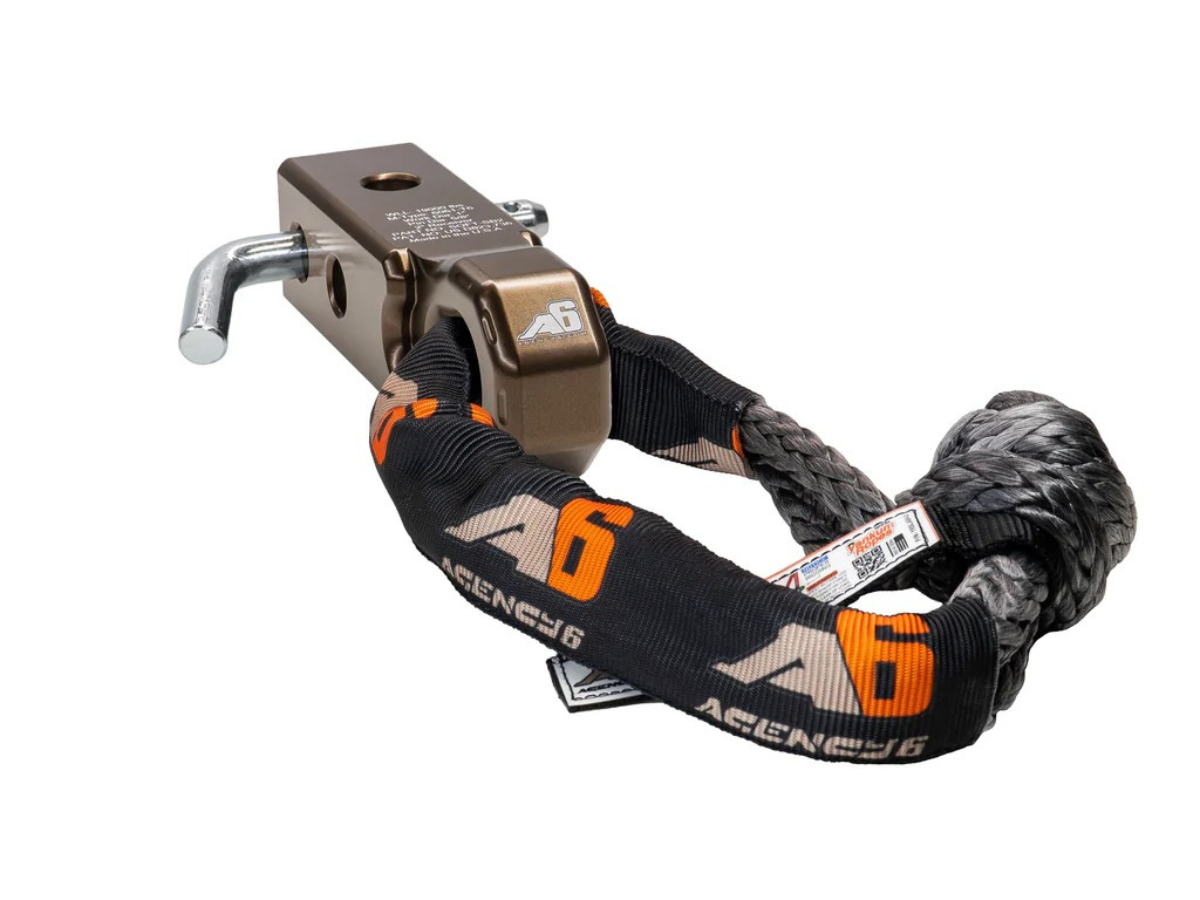
When navigating tough trails, deep mud, or steep inclines, your recovery gear must be dependable. One of the most overlooked yet essential pieces is the shackle block, a component that can significantly improve winch performance, reduce strain on equipment, and enhance safety. This in-depth Agency 6 shackle block review explains what shackle blocks are, how they function, key features to consider, and how to choose the right one for your vehicle and recovery needs. You’ll gain practical insights that help you make confident purchase decisions and build a safer, more effective recovery setup.
What Are Shackle Blocks?
A shackle block is a specialized recovery accessory designed to redirect the path of a winch line, support mechanical advantage, and reduce line friction during off-road recoveries. Think of it as a “pulley plus shackle” system that simplifies tricky pulls and improves control. Within a dedicated Shackle Blocks collection, these tools are engineered for controlled, efficient recovery scenarios where precision and safety matter most.
How They Work
When a winch pulls a stuck vehicle directly, the load is focused on a single angle, often increasing tension and potentially overwhelming the winch.
A shackle block allows:
-
Redirection of the line to better angles
-
Doubling of pulling power using mechanical advantage
-
Reduced wear on the winch motor and cable
You attach a shackle block to a secure anchor (like a tree or another vehicle), run the winch line through it, and then attach it back to your vehicle. The result is smoother tension distribution and less stress on both winch and rig.
Shackle blocks are indispensable when:
-
Obstacles prevent a straight winch pull
-
You need to reduce load on the winch
-
Recovering a heavier vehicle than the winch’s rated capacity
Types of Shackle Blocks
Not all shackle blocks are created equal. Different designs suit different recovery styles.
Fixed Shackle Blocks
These blocks stay rigid during use. They’re generally simpler and heavier, ideal for straightforward pulling where the direction doesn’t shift dramatically. Fixed blocks are rugged and excellent for rock crawling or straightforward recovery paths.
Rotating or Multi-Position Shackle Blocks
These shackle blocks allow the pulley wheel to pivot, enabling redirection at multiple angles without twisting the winch line. For recoveries where the vehicle positioning constantly changes or obstacles demand multiple direction adjustments, a rotating design is far more practical.
Compact / Lightweight Blocks
Designed for recreational off-road use and lighter vehicles, compact blocks focus on portability and ease of use. They are often constructed from high-strength aluminum or composite materials that balance strength with reduced weight.
Heavy-Duty Blocks
Built for rugged use, heavy-duty shackle blocks handle high loads and frequent recoveries. These are typically constructed with thicker side plates, larger sheaves (pulleys), and higher load ratings to meet demanding conditions like expedition travel or commercial off-road rigs.
Key Features to Consider
To ensure you choose a shackle block that performs well and lasts long, several features deserve close attention.
Material & Durability
Material choice directly impacts strength and longevity. Most high-quality shackle blocks are made from:
-
Forged Steel: Exceptional strength and wear resistance, ideal for heavy recoveries; heavier weight.
-
Billet Aluminum: Excellent strength-to-weight ratio, corrosion resistance, and ease of mounting; slightly lower absolute strength than steel but suitable for most off-road rigs.
Machining quality also affects performance, especially where the winch line contacts the sheave (pulley). A smooth, precision machined surface reduces friction and line wear. Anodized or powder-coated finishes help resist rust and trail abrasion.
Durability factors to evaluate:
-
Corrosion resistance
-
Sheave wear quality
-
Load point thickness
-
Bearing type (sealed bearings reduce friction)
Weight Rating & Compatibility
Shackle block weight ratings often expressed in tons tell you the maximum load the block can safely handle. It’s critical to select a rating that comfortably exceeds your vehicle’s gross weight, especially with dynamic forces during a winch pull.
For example:
-
A 10-ton shackle block works well for many SUVs and smaller trucks
-
A 16-ton or higher block is a better choice for larger 4×4 trucks, EV conversions with added weight, or frequent hard recoveries
Compatibility with your winch line is equally important:
-
Synthetic rope: Requires smoother sheaves and bearings to minimize abrasion
-
Steel cable: Generally tolerates rougher surfaces but still benefits from quality pulleys
Incorrect compatibility leads to increased wear on lines and potential failure during recovery.
How to Choose the Right Shackle Block
Choosing the right shackle block boils down to matching your vehicle, recovery type, and terrain conditions to the product’s capabilities.
1. Know Your Vehicle Weight
Heavy vehicles place greater stress on recovery systems. Always select a shackle block with a higher load rating than your rig’s gross weight. For example, a 7,500-lb vehicle should consider a shackle block rated at 14-ton minimum to account for dynamic loads.
2. Evaluate Recovery Frequency
If winch use is occasional, a mid-range block with solid durability may be sufficient. For frequent trail recoveries or professional applications, investing in premium materials and higher load ratings improves safety and long-term performance. For a broader understanding of how this component fits into a complete setup, referencing a Recovery Gear guide helps ensure every recovery tool works together effectively.
3. Terrain Conditions
Rocks, mud, sand, and incline trails all introduce different stresses. A rotating block helps in complex terrains where redirection is common. Fixed blocks handle straightforward paths with minimal changes in direction.
4. Recovery Setup Compatibility
Consider how the shackle block will integrate with your winch setup and recovery points. Ensure the shackle pin diameter matches your gear, and verify that your fairlead supports smooth line movement.
5. Ease of Use & Portability
Bulky shackle blocks can be harder to manage on the trail. If packing light is a priority, choose options with ergonomic designs, clear labeling, and manageable weight without sacrificing strength. Exploring related gear can further refine your decisions for example, a Billet Winch Shackles guide provides clarity on secure connection points, while a Recovery Gear helps complete a balanced kit.
Maintenance & Safety Tips
For consistent performance, maintenance and safety must be part of every recovery routine.
Post-Use Inspection
After every recovery:
-
Check the shackle block for deformation
-
Inspect for cracks or unusual wear in the sheave or side plates
-
Clean dirt and debris from moving parts to prevent abrasion
Safety Practices
-
Always stay within load ratings
-
Keep hands clear of winch lines under load
-
Use gloves to handle tensioned components
-
Keep bystanders well clear of recovery operations
Line Protection
Even high-end shackle blocks can stress winch lines if misused:
-
Avoid sharp angles that compress the line against edges
-
Opt for sealed bearings to reduce line wear
Regular maintenance not only extends equipment life but also reduces the risk of catastrophic failure when it matters most.
Frequently Asked Questions
1. What is a shackle block?
A shackle block redirects a winch line, reduces strain, and adds mechanical advantage for safer, smoother offroad recoveries.
2. How do I choose the right shackle block?
Pick one with a load rating above your vehicle’s weight. Considering recovery frequency and terrain, rotating blocks help in complex setups.
3. Can I use synthetic rope or steel cable?
Yes. Agency 6 shackle blocks work with both. Smooth sheaves protect synthetic ropes, while steel cables are more forgiving.
4. How do I maintain a shackle block?
After each use, inspect for cracks, clean debris, and lubricate moving parts to ensure safe, long-lasting performance.
5. Why invest in a high-quality shackle block?
Quality blocks, like Agency 6, reduce winch strain, distribute load evenly, and improve recovery safety. Poor-quality blocks risk damage or injury.

Why a Quality Shackle Block Makes a Difference
This Agency 6 shackle block review highlights why build quality plays a critical role in safe and efficient vehicle recovery. A well-engineered shackle helps distribute load evenly, reduces strain on winch components, and allows for smoother line redirection in complex recovery scenarios. When navigating riverbeds, mud pits, rock ledges, or steep embankments, using a properly rated shackle block improves control while minimizing the risk of line damage or equipment failure.
Material strength, precision machining, load rating, and compatibility with modern winch systems directly impact how it performs under pressure. Higher-quality designs offer better durability, easier handling with gloved hands, and consistent performance across repeated recoveries. With the right recovery situations become more controlled, predictable, and safe protecting both the vehicle and recovery equipment while providing confidence on every trail.
For drivers who prioritize reliability and performance, Agency 6 delivers purpose-built recovery solutions engineered for demanding off-road conditions.