
Heading off the pavement offers unmatched freedom, but it also comes with real risks. Remote trails, unpredictable weather, and limited access to help make preparation essential. A well-thought-out off road survival gear setup ensures safety, confidence, and the ability to handle unexpected situations.
This guide from Agency 6 offers a practical and comprehensive survival gear checklist for off-road enthusiasts, overlanders, and weekend adventurers. Each section emphasizes essential items that enhance safety, boost efficiency, and ensure every trip is a success.
Navigation Tools
Getting lost off-road is easier than expected. Signal loss, unmarked trails, and changing terrain can quickly turn a simple drive into a serious situation. Reliable tools are the foundation of any off road survival setup.
GPS Devices and Offline Maps
A dedicated GPS unit designed for off-road use is more reliable than a smartphone alone. Devices with preloaded topographic maps and offline functionality ensure navigation even without cellular service. Offline map apps should also be downloaded as a backup.
Compass and Physical Maps
Technology can fail. A traditional compass paired with a printed topographic map provides a dependable backup. Understanding basic navigation skills is just as important as carrying the tools.
Communication Equipment
Two-way radios or satellite communicators allow contact with others when out of range. These devices are critical for group coordination and emergency communication.
Mounting and Accessibility
Navigation tools should be securely mounted and easily accessible. Keeping gear organized reduces distractions and improves safety when navigating challenging terrain.
Recovery Gear
Off-road conditions often involve mud, sand, rocks, or snow. Getting stuck is not a matter of if, but when. Proper recovery equipment is a core component of any survival gear.
Recovery Straps and Tow Ropes
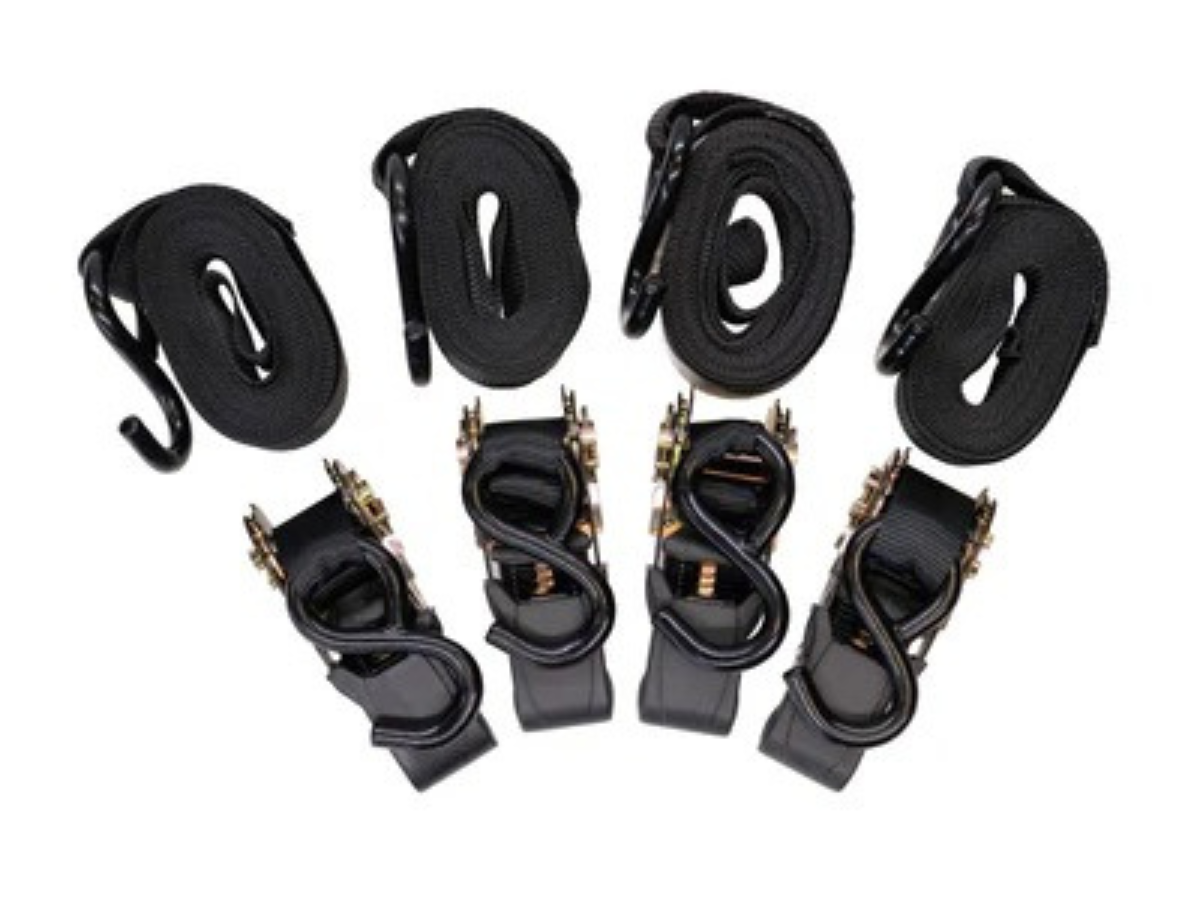
Heavy-duty recovery straps help pull vehicles out of difficult situations. Choose straps rated for the vehicle’s weight and designed for off-road recovery.
Traction Boards
Traction boards provide grip in slippery conditions such as sand or mud. They are lightweight, easy to deploy, and highly effective in self-recovery scenarios.
Winch Systems
A winch is one of the most powerful recovery tools available. Mounted to the vehicle, it allows controlled pulling when no other vehicle is available to assist.
Shovels and Mounting Solutions
A durable shovel is essential for digging out tires or clearing obstacles. Proper storage is equally important. Systems like a Shovel Mount Combo keep tools secure, organized, and ready for immediate use.
Tire Repair Kits and Air Compressors
Flat tires are common off-road. A tire repair kit and portable air compressor allow quick fixes without needing professional assistance. These tools can be the difference between continuing the trip and being stranded.
Emergency Supplies
Emergencies can happen without warning. Preparation with the right supplies ensures safety while waiting for help or resolving the situation independently.
First Aid Kit
A comprehensive first aid kit should include bandages, antiseptics, pain relievers, and trauma supplies. Customizing the kit based on trip length and group size adds an extra layer of preparedness.
Emergency Shelter
Weather conditions can change rapidly. Emergency blankets, bivy sacks, or compact tents provide protection from cold, heat, or rain.
Food and Water Storage
Always carry more food and water than expected. Non-perishable food items and water storage systems ensure survival during extended delays.
Fire-Starting Tools
Fire provides warmth, light, and signaling capability. Waterproof matches, lighters, and fire starters should always be included in any off road survival setup.
Lighting Solutions
Reliable lighting is critical after dark. High-quality Flashlights ensure visibility for repairs, navigation, and campsite setup. Multiple light sources are recommended for redundancy.
Emergency Signaling Devices
Whistles, signal mirrors, and flares help attract attention during emergencies. These small tools can significantly improve the chances of rescue.
Outdoor Essentials
Beyond survival, comfort and efficiency enhance the overall off-road experience. These essentials support both safety and convenience.
Multi-Tools and Repair Kits
A durable multi-tool provides quick solutions for minor repairs and adjustments. Combined with a basic tool kit, it ensures readiness for mechanical issues.
Portable Power Sources
Battery packs or portable power stations keep essential devices charged. This includes GPS units, communication tools, and lighting equipment.
Storage Systems and Organization
Efficient storage systems prevent gear from shifting during travel and allow quick access when needed. Organized setups reduce stress and improve response time in emergencies.
Cooking Equipment
Compact stoves and cookware enable hot meals even in remote areas. Proper cooking gear contributes to morale and energy during long trips.
Weather Protection Gear
Rain jackets, gloves, and durable clothing protect against harsh conditions. Being prepared for changing weather is essential in off-road environments.
Vehicle Protection Accessories
Skid plates, rock sliders, and protective gear reduce the risk of damage. While not traditional survival gear, they contribute to overall safety and vehicle reliability.
Frequently Asked Questions
-
What is the most important off road survival gear to carry?
Navigation tools, recovery gear, and supplies are the most critical. These categories address the most common risks encountered off-road.
-
How much water should be brought on an off-road trip?
At least one gallon per person per day is recommended, with extra reserves for emergencies.
-
Are smartphones enough for navigation?
Smartphones are helpful, but should not be the only navigation tool. Dedicated GPS devices and physical maps provide reliable backups.
-
What recovery gear is best for beginners?
Start with traction boards, a recovery strap, and a shovel. These tools handle the most common recovery situations.
-
How often should survival gear be checked?
Gear should be inspected before every trip to ensure it is functional and ready.

Prepare for Every Mile
Every off-road journey brings a level of unpredictability. Having a complete off road survival gear setup supported by a reliable survival gear checklist ensures readiness for any situation. Preparation transforms challenges into manageable obstacles and keeps every trip focused on adventure rather than risk. Ready to upgrade an off-road setup with reliable, trail-tested gear? Explore durable storage solutions, mounting systems, and essentials designed for real-world performance.
Visit Agency 6 to build a complete off road survival system and stay prepared for every trip.