
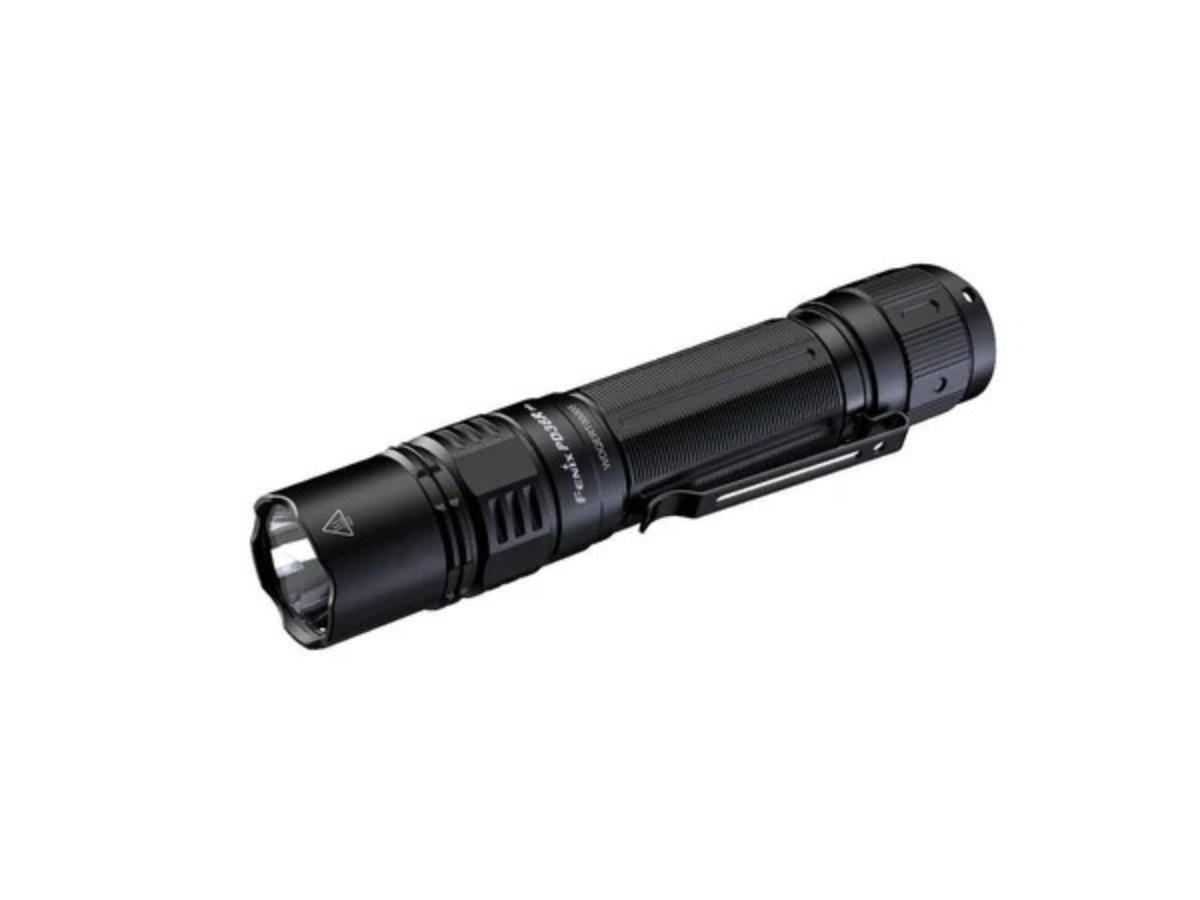
A reliable lumen flashlight is one of the most essential tools for off-road travel, outdoor exploration, and emergency preparedness. Whether navigating a dark trail, repairing equipment at night, or setting up camp in remote terrain, proper lighting improves both safety and efficiency.
However, not all flashlights perform the same. Many buyers assume that selecting the brightest flashlight automatically guarantees the best performance, but brightness alone does not determine real-world usability. Factors such as beam distance, battery efficiency, durability, and construction quality all influence how well a flashlight performs in demanding environments.
Understanding these features helps buyers choose a flashlight that delivers dependable performance rather than simply impressive marketing numbers. Agency 6 offers high-quality lighting tools designed for durability and performance in demanding environments. The following guide explores the key characteristics that define a high-performance flashlight and explains how to select the right tool for off-road adventures.
Lumens & Beam Distance
Brightness is usually the first specification buyers consider when evaluating a flashlight. Lumens measure the total amount of visible light emitted by the flashlight. Higher lumen ratings generally indicate brighter output, but brightness alone does not tell the full story.
Beam Distance Matters
Beam distance determines how far a flashlight projects usable light. This measurement is often listed in meters and reflects how effectively a flashlight illuminates distant objects.
Two main beam styles exist:
Flood Beam:
Provides wide illumination across a large area. This beam style works well for campsites, vehicle work, or close-range activities.
Spot Beam:
Concentrates light into a focused beam for long-distance visibility. Ideal for scanning trails or identifying obstacles ahead. Many high-performance flashlights combine both styles into a balanced beam pattern. This hybrid approach offers strong central illumination while maintaining peripheral visibility.
Why Beam Design Matters Off-Road
Off-road environments require both distance and situational awareness. A flashlight with balanced lumen output and beam distance ensures visibility without excessive glare or wasted energy. Selecting a flashlight with adjustable brightness levels also allows users to conserve battery life while maintaining adequate illumination for different situations.
Power Source & Battery Life
Battery technology significantly impacts flashlight reliability, runtime, and convenience. Understanding available power options helps buyers choose the best flashlight for their travel style and usage frequency.
Rechargeable Lithium-Ion Batteries
Rechargeable lithium-ion batteries have become the most common power source in modern high-performance flashlights.
Advantages include:
-
Long runtime
-
High power output
-
Rechargeability
-
Consistent brightness during use
These batteries deliver enough power to support high-lumen output without sacrificing runtime. For frequent off-road travelers, rechargeable systems reduce long-term battery costs and minimize waste.
Replaceable Battery Options
Some flashlights operate on replaceable batteries such as AA or CR123A cells.
These offer certain advantages:
-
Easy replacement in remote areas
-
Widely available battery types
-
Useful as backup lighting systems
However, replaceable batteries may not support extremely high lumen outputs compared to rechargeable lithium-ion systems.
Battery Runtime Considerations
Runtime determines how long a flashlight can operate before needing recharging or battery replacement.
Most high-performance flashlights include multiple power modes:
-
Low mode: Extended runtime for simple tasks
-
Medium mode: Balanced brightness and efficiency
-
High mode: Maximum illumination for short durations
-
Turbo mode: Extremely bright output for brief bursts
The brightest flashlight settings often consume battery power quickly. Adjustable modes allow users to manage energy consumption effectively during extended trips.
Durability & Build Quality
The outdoor essentials lineup is designed for harsh environments that require gear to withstand dust, vibration, water exposure, and impact. In these conditions, flashlight durability becomes a critical factor in ensuring consistent, long-term reliability.
Materials and Construction
High-performance flashlights typically use aircraft-grade aluminum alloy housings. This material provides excellent strength while remaining lightweight.
Quality construction offers several advantages:
-
Improved heat dissipation
-
Better impact resistance
-
Reduced overall weight
-
Enhanced durability in rugged environments
Anodized finishes also protect the flashlight from corrosion and surface damage.
Waterproof Ratings
Water resistance is essential for outdoor gear, especially when equipment is frequently exposed to rain, mud, river crossings, or damp environments. Many premium flashlights include IP ratings that indicate their resistance to water and dust intrusion. For off-road travelers and overlanders, an IPX7 or IPX8 rating provides reliable protection against unexpected weather conditions and accidental submersion.
These higher ratings ensure the flashlight continues to function even after heavy rain or brief immersion in water, making them ideal for demanding outdoor environments where dependable lighting is critical.
Impact Resistance
Dropping gear on rocky terrain or uneven surfaces is common during outdoor travel. High-quality flashlights typically offer impact resistance ratings between 1 and 2 meters. Reinforced lens materials such as tempered glass or polycarbonate further improve durability. Selecting a rugged flashlight ensures consistent performance even in challenging environments.
Top Picks
Choosing the right flashlight depends on how it will be used. Different models emphasize brightness, runtime, portability, or durability. The following categories highlight common options buyers consider when searching for the brightest flashlight suitable for off-road adventures.
Compact Everyday Carry Flashlights
The flashlights collection includes compact models that deliver powerful illumination in a small, portable form. These designs are easy to carry and can be conveniently stored in pockets, tool kits, or glove compartments for quick access anytime.
Typical features include:
-
500–1000 lumen output
-
Rechargeable battery systems
-
Lightweight construction
-
Multiple brightness modes
These flashlights work well for routine vehicle maintenance, campsite lighting, and short-distance navigation.
High-Lumen Performance Flashlights
High-output flashlights focus on delivering maximum brightness and long beam distance.
Key characteristics include:
-
1500+ lumen output
-
Advanced LED emitters
-
Long-distance beam projection
-
Larger battery capacity
These models often qualify as the brightest flashlight options available for off-road enthusiasts and search applications.
Tactical or Rugged Flashlights
Tactical flashlights prioritize durability and reliability in extreme conditions.
Typical features include:
-
Impact-resistant construction
-
Waterproof housings
-
Anti-slip grip designs
-
High-efficiency LED systems
Many tactical models also include strobe modes or emergency signaling capabilities.
Multi-Mode Adventure Flashlights
Some high-performance flashlights offer versatile lighting modes tailored for outdoor travel.
Common features may include:
-
Flood and spotlight combinations
-
Red-light or low-visibility modes
-
USB-C fast charging
-
Extended battery runtime
These models provide adaptable lighting solutions for different environments and activities.
FAQ
What does lumen mean in a flashlight?
Lumens measure the total brightness produced by a light source. A higher lumen rating means the flashlight emits more visible light. When selecting a lumen flashlight, the best choice depends on the environment and how the light will be used.
What is considered the brightest flashlight?
The brightest flashlight models typically produce over 1500 lumens. Some high-end models exceed 5000 lumens, although such brightness is often unnecessary for everyday outdoor tasks. Balanced performance and runtime usually matter more than extreme brightness.
Is higher lumen output always better?
Not necessarily. Extremely high lumen output can reduce battery runtime and create excessive glare. Adjustable brightness levels allow users to match light output to specific conditions. A versatile lumen flashlight with multiple power modes offers greater flexibility.
How long should a flashlight battery last?
Runtime varies depending on brightness settings and battery capacity. On low settings, many modern flashlights can run for 20–100 hours. High-output modes may last several hours. Rechargeable lithium-ion batteries generally provide the longest runtime for powerful flashlights.
Are waterproof flashlights necessary for off-road use?
Yes. Off-road environments expose equipment to rain, mud, and water crossings. Choosing a flashlight with strong waterproof ratings ensures reliable operation during unpredictable weather conditions.

Choosing the Right High-Performance Flashlight
Selecting the right lumen flashlight involves more than simply choosing the model with the highest brightness rating. Beam distance, battery technology, durability, and construction quality all influence real-world performance, especially for outdoor and off-road use. The brightest flashlight may deliver impressive output, but dependable runtime and rugged design are equally important in demanding environments.
High-quality lighting solutions from Agency 6 are designed with these factors in mind, helping outdoor enthusiasts and off-road travelers choose reliable gear built for long-term performance.