
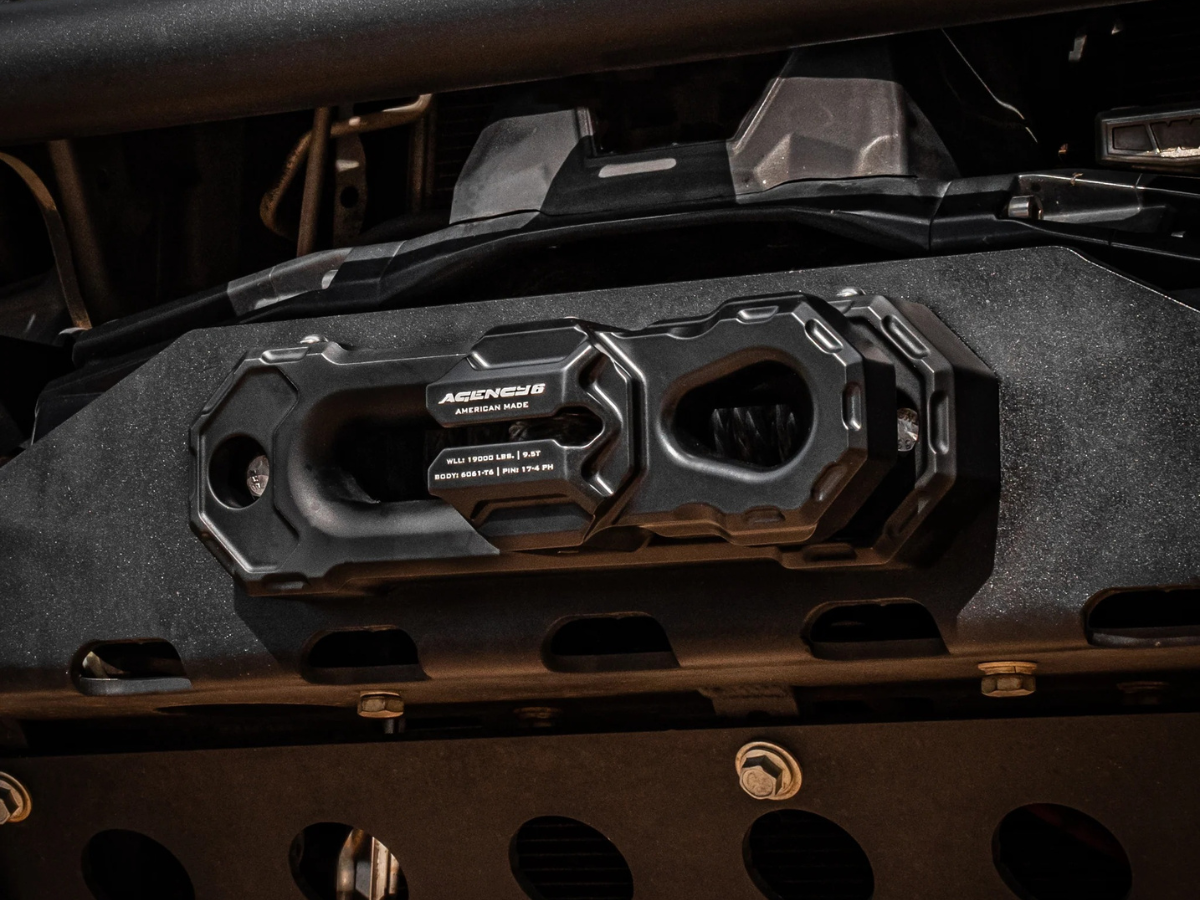
Reliable recovery equipment is essential for off-road vehicles, towing setups, and work trucks. Among the most critical components in any recovery system are winch shackles. These compact yet powerful connectors link straps, winch lines, and recovery points, allowing force to transfer safely during towing or vehicle extraction.
Choosing the best towing winch shackles requires more than simply selecting the strongest-looking hardware. Load ratings, materials, and design differences play a major role in performance and safety. Understanding how these ratings work helps buyers select gear that matches the demands of their vehicle and recovery setup.
This guide, in partnership with Agency 6, explains how to interpret load ratings, compare different shackle types, and choose the safest option for recovery systems.
Why Ratings Matter
Load capacity is a critical consideration when choosing recovery equipment, especially when referencing a shackle blocks guide for safe setup and usage. Every shackle is engineered to handle a defined amount of force, and exceeding that threshold significantly raises the risk of equipment failure. During towing or winching operations, the forces applied to the recovery gear can quickly exceed the vehicle's actual weight. Factors such as mud suction, steep terrain, and sudden increases in tension can place additional stress on recovery components.
Working Load Limit (WLL)
The Working Load Limit represents the maximum load that a shackle can safely handle during normal use. Manufacturers calculate WLL by applying a safety factor to the shackle's ultimate breaking strength.
-
A shackle with a WLL of 4.75 tons may have a breaking strength exceeding 20 tons, depending on the safety factor used.
Operating within the WLL ensures the equipment performs safely without permanent deformation.
Minimum Breaking Strength (MBS)
The Minimum Breaking Strength is the amount of force required to cause failure in a controlled test environment. This number is significantly higher than the working load limit but should never be used as the operating capacity. Instead, it serves as an engineering benchmark confirming the hardware's durability.
Safety Factors
Most recovery hardware uses a safety factor between 4:1 and 6:1.
-
Breaking strength: 24,000 lbs
-
Safety factor: 4:1
-
Working load limit: 6,000 lbs
Understanding these numbers helps buyers confidently choose the best towing shackles for their recovery setup.
Comparing Different Shackles
Not all shackles are designed the same. Material type, construction methods, and design features influence durability and performance. Below are the most common types used in towing and off-road recovery systems.
Forged Steel Shackles
Forged steel shackles are among the most widely used recovery components. Their manufacturing process involves compressing heated steel under high pressure, creating an extremely strong and durable structure.
Advantages include:
-
Proven reliability in industrial environments
-
Strong resistance to deformation
These shackles are frequently used with recovery straps, winch lines, and tow points on trucks and off-road vehicles. However, steel shackles are heavier and may require corrosion protection coatings to prevent rust.
Synthetic Soft Shackles
Soft shackles are constructed from high-strength synthetic rope materials such as UHMWPE. They have become increasingly popular in off-road recovery systems due to their lightweight design.
Benefits include:
-
Reduced weight
-
Increased safety in case of failure
-
Easy storage
Because they contain no metal components, soft shackles reduce the risk of dangerous projectiles if a recovery line breaks. However, they may wear faster when exposed to sharp edges or abrasive surfaces.
Billet Shackles
A billet shackle is machined from a solid block of aluminum or steel using precision CNC equipment. This manufacturing method allows tight tolerances and consistent structural integrity.
Key advantages include:
-
Precise engineering
-
High strength-to-weight ratio
-
Corrosion resistance depends on the material
Billet designs are often favored by technical buyers seeking high-performance recovery components. The solid construction eliminates potential weaknesses found in some cast products while providing exceptional durability. When comparing the best towing shackles, billet designs are often considered premium options for their reliability and precision manufacturing.
Selecting the Right Rating
Choosing the correct load rating requires evaluating both the vehicle and the recovery conditions.
Vehicle Weight
The starting point is the vehicle’s gross vehicle weight rating (GVWR). A safe rule is selecting shackles with a working load limit that exceeds the vehicle’s weight. For vehicle recovery planning, the recommended Working Load Limits (WLL) vary depending on vehicle size and weight requirements:
-
Compact SUV: 3–4 tons to ensure safe handling during recovery operations
-
Mid-size truck: 4–5 tons to manage increased weight and off-road stress
-
Full-size truck: 5–6+ tons to safely accommodate heavier loads and more demanding recovery conditions
However, vehicle weight alone does not determine the required rating.
Recovery Conditions
Certain conditions increase stress on recovery gear:
-
Deep mud or sand
-
Steep inclines
-
Heavy cargo loads
-
Multi-vehicle recoveries
In these scenarios, forces may exceed the vehicle’s static weight. Selecting shackles with a higher working load limit provides a critical safety margin.
Compatibility With Recovery Gear
Shackles must also match the strength ratings of the other components in the recovery system.
A typical recovery setup includes:
-
Winch line
-
Recovery strap or kinetic rope
-
Tow points
-
Winch shackles
The overall system is only as strong as its weakest component. Selecting shackles that meet or exceed the ratings of other equipment ensures balanced performance.
Pin Diameter and Fitment
Another important factor is compatibility with recovery points. Shackles must fit securely through mounting points without excessive movement.
Important considerations include:
-
Pin diameter
-
Bow width
-
Clearance within recovery mounts
Proper fitment ensures consistent load distribution during towing or winching.
Safety Tips
Even the best towing shackles must be used correctly to ensure safe operation. Following basic recovery practices significantly reduces the risk of equipment failure.
Inspect Equipment Before Use
Every recovery operation should begin with a visual inspection.
Check for:
-
Cracks or bends in metal shackles
-
Frayed fibers in synthetic shackles
-
Damaged pins or threads
-
Corrosion or surface wear
Damaged hardware should be replaced immediately.
Avoid Side Loading
Shackles are designed to carry force along the centerline of the bow. Side loading places uneven stress on the shackle body, increasing the likelihood of failure.
Whenever possible:
-
Align recovery points directly with the pulling force
-
Avoid sharp angles in the recovery line
Secure the Pin Properly
Shackle pins must be tightened securely before use.
Best practices include:
-
Hand-tightening the pin fully
-
Backing off slightly to prevent binding
-
Ensuring threads are clean and undamaged
Loose pins can gradually rotate out under load, creating a dangerous situation.
Use Recovery Dampers
When performing heavy winching or towing, placing a recovery damper over the line helps absorb energy in the event of a component failure. This simple precaution can significantly reduce the risk of recoil hazards.
Replace Worn Components
Recovery gear experiences repeated stress over time. Even premium components eventually wear down. Replacing aging shackles ensures the recovery system continues operating safely.
Frequently Asked Questions
What makes the best towing winch shackles different from standard shackles?
The best options are designed specifically for vehicle recovery and towing applications. They typically feature higher working load limits, precision manufacturing, and compatibility with winch lines and recovery straps.
Is a billet shackle stronger than a forged shackle?
Both designs can offer excellent strength. A billet shackle provides precision machining and consistent material structure, while forged shackles benefit from compressive grain alignment during manufacturing. The strength ultimately depends on the material grade and engineering specifications.
How many shackles should a recovery kit include?
Most recovery kits include two to four shackles. This allows flexibility when connecting straps, winch lines, or multiple vehicles during complex recovery scenarios.
Can shackles be used with kinetic recovery ropes?
Yes. Shackles are commonly used to connect kinetic ropes to recovery points. However, soft shackles are often preferred in these applications because they reduce the risk of metal components becoming projectiles.
How often should shackles be replaced?
Replacement depends on usage frequency and environmental exposure. Shackles used regularly in off-road recovery situations should be inspected frequently and replaced if signs of wear appear.

Build a Safer Recovery System
Understanding load ratings is essential when selecting recovery hardware. A properly rated shackle ensures that towing and winching forces are managed safely, protecting both vehicles and equipment. The best towing winch shackles combine reliable load ratings, durable materials, and compatibility with the rest of the recovery system. Options such as a precision-engineered billet shackle offer enhanced strength and durability, making them ideal for demanding off-road environments.
Within premium recovery solutions from Agency 6, engineered recovery components are designed to enable safer, more confident towing setups. Selecting the right gear from a trusted source helps ensure consistency when it matters most.