
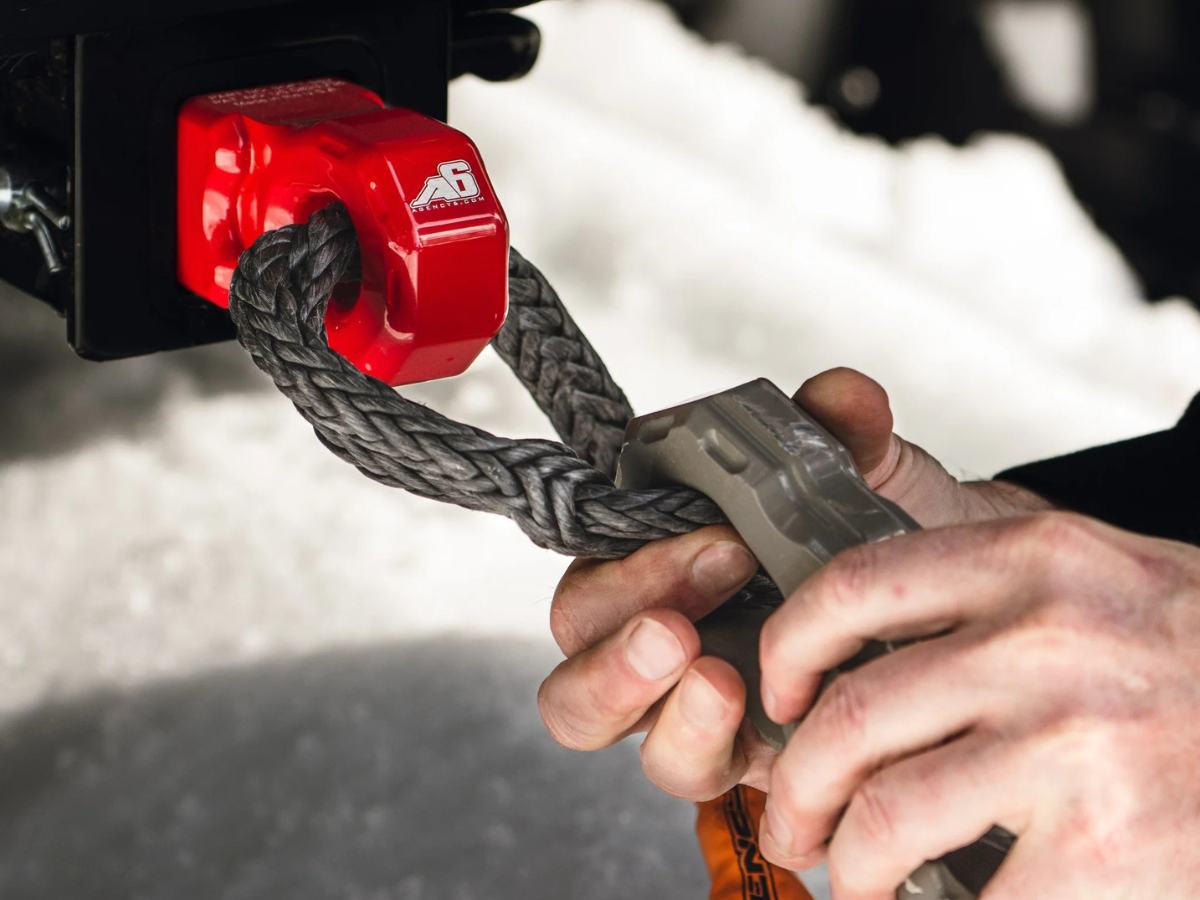
Vehicle recovery is a critical part of off-road travel, overlanding, and professional towing operations. Whether navigating deep mud, sand dunes, rocky trails, or remote terrain, the correct use of a recovery shackle can make the difference between a smooth recovery and a dangerous situation. High-quality hardware from Agency 6 is engineered to withstand demanding recovery conditions while helping drivers maintain safe, reliable setups.
Recovery gear operates under extreme loads, often involving thousands of pounds of tension. When equipment is used incorrectly, it can fail suddenly, causing serious damage to vehicles or injury to nearby individuals. Because of this, understanding safe practices for shackles and related hardware is essential for anyone performing vehicle recovery.
Common Hazards
Recovery systems store significant kinetic energy during use. When components fail or are misused, that energy is released rapidly and unpredictably. Identifying common hazards helps prevent these dangerous situations.
Improper Mounting Points
One of the most frequent mistakes involves attaching a recovery strap to weak or non-rated points on a vehicle. Bumpers, suspension components, trailer balls, and tie-down hooks may not be designed to withstand recovery forces. When asking where to hook the recovery strap shackle, the safest answer is always a manufacturer-approved recovery point or a properly rated shackle mount designed for heavy loads.
Overloaded Equipment
Every piece of recovery equipment has a working load limit (WLL). Exceeding that limit increases the chance of bending, cracking, or sudden breakage.
Common overload causes include:
-
Recovering vehicles heavier than expected
-
Using undersized shackles
-
Performing high-force winch pulls
-
Attempting aggressive “jerk” recoveries
Matching equipment ratings to vehicle weight and recovery conditions prevents unnecessary stress on the system.
Incorrect Strap Placement
Improper strap positioning leads to uneven force distribution and may result in sudden detachment. Twisted straps, improper angles, or misaligned shackles can generate dangerous stress points. Straight, aligned pulls minimize shock loading and improve recovery efficiency.
Metal-to-Metal Impact
Traditional steel shackles can become dangerous projectiles if something fails under load. While steel components remain common, many modern systems incorporate soft shackles or shackle blocks to reduce kinetic energy risks. Using recovery accessories designed to control force distribution improves overall safety.
Safety Tips for Installation
Correct installation is critical to preventing equipment failure during vehicle recovery operations. Small mistakes made before the pull begins can lead to major issues once tension is applied.
Inspect All Components Before Use:
-
Cracks
-
Bent pins
-
Thread damage
-
Rust or corrosion
-
Frayed synthetic rope
-
Deformed recovery points
Even minor structural damage can compromise strength under load. Replacing worn equipment immediately prevents catastrophic failure during recovery.
Align the Shackle Correctly
The shackle pin should always face outward and be fully threaded into the shackle body. Partial engagement can strip threads or cause the pin to release under load. Proper alignment also ensures that pulling forces travel through the strongest part of the hardware. Avoid side loading, which places uneven stress on the shackle and reduces its rated strength.
Use Rated Recovery Points
Recovery systems perform best when all components are engineered to handle recovery forces.
Rated recovery points typically include:
-
Frame-mounted recovery hooks
-
Reinforced recovery eyes
-
Dedicated recovery mounts
-
Winch mounting plates
These structural points distribute force safely across the vehicle frame. Avoid attaching straps to parts not designed for pulling loads.
Maintain Straight Pull Angles
Whenever possible, the recovery line should run straight between the stuck vehicle and the recovery vehicle.
Extreme angles can:
-
Reduce shackle strength
-
Twist straps or ropes
-
Place the sideways force on the mounting points
A straight pull reduces stress and increases recovery efficiency.
Best Practices in Recovery
Successful vehicle recovery requires careful planning and proper technique. Following established best practices ensures both safety and efficiency during the process.
Establish a Clear Recovery Plan
Before applying any tension, drivers should evaluate the situation and determine the safest recovery method.
Important considerations include:
-
Vehicle weight
-
Terrain type
-
Available traction
-
Distance between vehicles
-
Recovery equipment ratings
Planning prevents rushed decisions that can lead to equipment misuse.
Maintain a Safe Distance
All bystanders should remain well outside the recovery zone. Recovery lines under tension can snap unexpectedly. Standing too close to the equipment poses a serious risk to individuals. As a general rule, spectators should stay at least 1.5 times the length of the recovery strap away from the operation.
Use Dampers When Possible
A recovery damper placed over the strap or winch line reduces the distance the equipment travels if it breaks. Dampers add weight to the line, helping absorb kinetic energy and reduce recoil. This simple safety step significantly decreases the chance of equipment striking nearby vehicles or people.
Communicate Clearly
Clear communication between drivers ensures coordinated recovery actions.
Common communication methods include:
-
Hand signals
-
Two-way radios
-
Spotters positioned safely away from the pull line
Drivers should never begin pulling until both parties confirm readiness.
Avoid Sudden Shock Loads
Gradual tension is always safer than sudden force. Aggressive acceleration or jerking movements increase stress on every component in the recovery system. Smooth, steady pulling reduces equipment strain and improves the chances of a successful recovery.
Use Complete Recovery Systems
Recovery operations often require more than a single shackle or strap. Complete recovery systems provide the equipment needed to adapt to different terrain challenges. Professionally assembled recovery kits ensure drivers have properly rated components ready for various recovery situations. A complete setup reduces the likelihood of improvising with unsafe equipment in the field.
Similarly, precision-machined hardware such as Billet Winch Shackles offers improved strength and reliability for demanding winch recoveries. Using quality recovery hardware improves safety and long-term durability.
Maintenance
Regular maintenance keeps recovery equipment functioning safely and extends its service life. Even durable recovery gear can degrade over time due to environmental exposure and repeated heavy use.
Clean Equipment After Use
Mud, sand, saltwater, and road debris accelerate corrosion and material wear.
After each recovery operation:
-
Rinse equipment with clean water
-
Remove dirt and debris
-
Allow gear to dry completely before storage
Keeping recovery gear clean prevents long-term damage.
Lubricate Threaded Components
Threaded shackle pins benefit from occasional lubrication to prevent seizing or galling. Light lubrication helps maintain smooth operation and ensures pins can be removed easily after heavy recoveries. Avoid over-tightening pins, as this can make removal difficult and damage threads.
Store Equipment Properly
Recovery gear should be stored in a dry, organized location when not in use.
Proper storage protects equipment from:
-
Moisture damage
-
UV exposure
-
Physical impact
-
Contamination from dirt or chemicals
Storage bags or recovery kit cases help keep equipment organized and ready for use.
Replace Worn Components
Over time, repeated load cycles weaken materials.
Replace any component that shows:
-
Visible deformation
-
Thread wear
-
Deep scratches or gouges
-
Corrosion damage
Proactive replacement protects both vehicles and recovery teams from unexpected failures.
FAQ
Where do I hook the recovery strap shackle?
The safest location is always a manufacturer-approved recovery point attached directly to the vehicle frame. Dedicated recovery hooks or reinforced mounting eyes are designed to safely handle recovery loads. Avoid attaching straps to trailer balls, suspension components, or bumpers that are not rated for recovery.
What size recovery shackle should be used?
Shackle size depends on the vehicle's weight and the recovery equipment's ratings. Most off-road vehicles use shackles with diameters ranging from 3/4-inch to 7/8-inch, and their working load limits exceed expected recovery forces. Always verify load ratings before use.
Are soft shackles safer than steel shackles?
Soft shackles made from synthetic rope reduce the risk of projectile failure. However, both steel and soft shackles are safe when used correctly and within their rated limits. Each type has advantages depending on the recovery scenario.
Can a recovery strap be used with any shackle?
Not all straps are compatible with every shackle design. The strap loop must fit properly within the shackle body without excessive twisting or compression. Using compatible equipment ensures even load distribution.
How often should recovery gear be inspected?
Inspection should occur before every recovery operation and periodically during long trips. Frequent inspection helps identify wear or damage before equipment is placed under load.

Safe Recovery Essentials
Safe vehicle recovery depends on preparation, quality equipment, and proper technique. Even experienced off-road drivers benefit from following a structured safety checklist before performing any recovery operation. Using a properly rated recovery shackle, understanding where do I hook recovery strap shackle, selecting approved mounting points, and maintaining equipment regularly helps prevent accidents and protects both vehicles and recovery teams.
Reliable recovery systems transform challenging off-road situations into manageable tasks. With the right equipment, careful planning, and adherence to proven safety practices, drivers can perform recoveries confidently and efficiently in even the most demanding environments.
For dependable recovery hardware designed for durability and performance, explore the available options at Agency 6 and equip vehicles with components built for serious off-road use.