
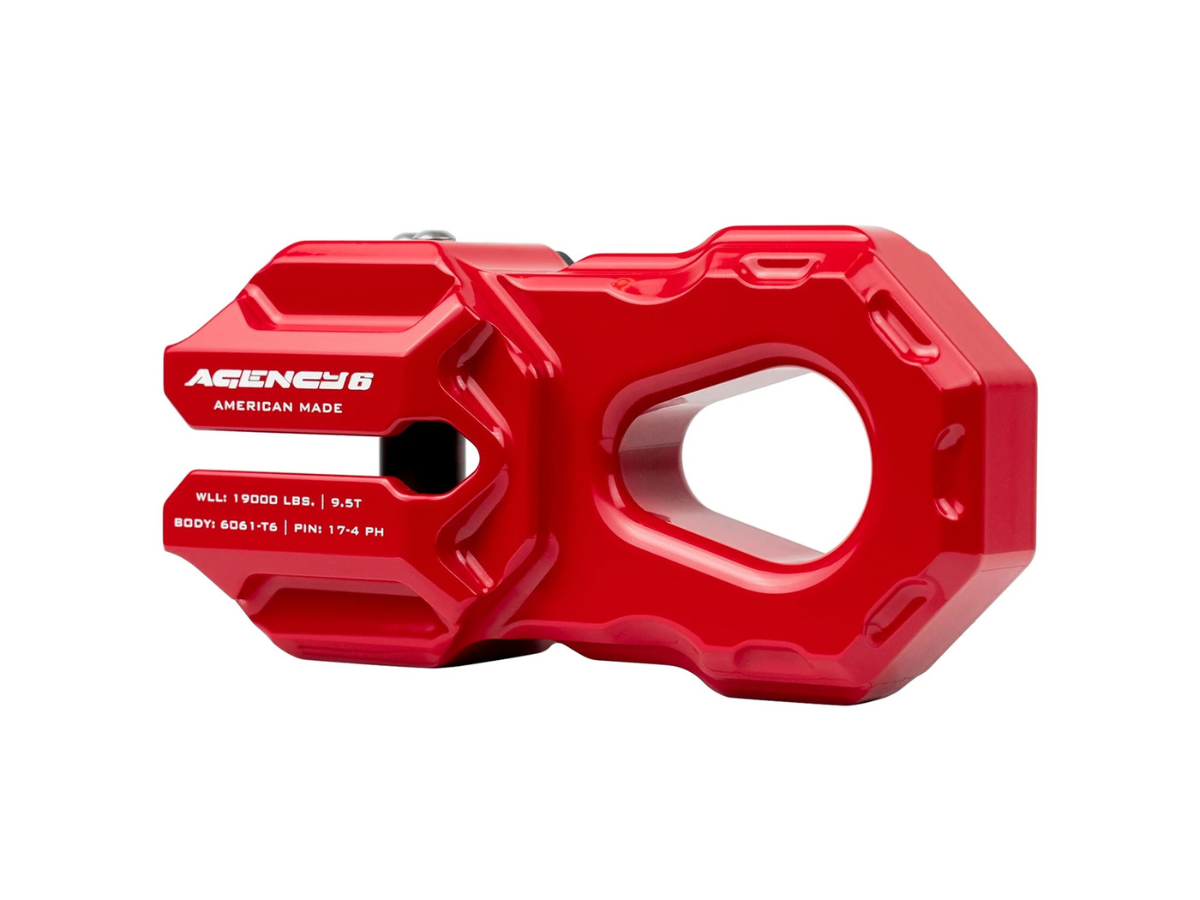
Installing winch shackles correctly is one of the most important steps in building a safe, reliable, and professional-grade recovery system. Whether the vehicle is used for off-road exploration, overlanding, worksite recovery, or emergency situations, the connection point between the winch line and the recovery anchor must be secure, properly aligned, and rated for load.
A shackle is designed to provide a stronger, safer alternative to traditional hooks by creating a closed-loop connection that reduces disengagement risk and improves load distribution. However, even premium recovery hardware from Agency 6 can underperform or fail if installed incorrectly or paired with incompatible components.
This step-by-step guide explains how to install shackles properly, what tools are required, how to perform safety checks before recovery, and how to maintain shackles for long-term performance. Following this process improves confidence, reduces equipment wear, and helps ensure every recovery is handled safely and efficiently.
Tools and Preparation
Proper installation starts before the shackle ever touches the vehicle. Preparation ensures correct alignment, proper torque, and safe load handling once recovery begins. Taking the time to gather the right tools and inspect mounting points reduces the risk of errors that could compromise safety. Every component in your Recovery Gear Guide system works together, so ensuring each part is compatible and in good condition is essential. Skipping preparation can lead to misalignment, uneven load distribution, or premature wear on hardware.
-
Torque Wrench: Ensures winches are seated securely without over- or under-tightening. Over-tightening can restrict movement and damage threads; under-tightening can allow unwanted movement under load.
-
Wrench or Socket Set: May be needed depending on your vehicle’s recovery point design.
-
Protective Gloves: Improve grip and protect hands when handling heavy hardware or working in cold, muddy, or rough conditions.
-
Inspect Recovery Points: Only use rated recovery points designed for recovery loads, such as frame-mounted tabs, reinforced bumpers, or dedicated recovery mounts. Avoid tie-down loops, trailer hitch balls, or decorative points.
-
Clean Mounting Area: Remove dirt, sand, rust, or debris to ensure the shackle seats flush and distribute load evenly.
-
Confirm Component Compatibility: All components winch shackles, winch line, recovery straps, and recovery points must meet or exceed the vehicle’s expected load rating. Using under-rated parts increases failure risk.
Taking time to prepare the installation process to ensure your recovery system performs safely and efficiently when it matters most.
Installation Steps
Installing winch Shackle Blocks correctly is essential for a safe, controlled, and efficient recovery system. Rushing the process or skipping steps can compromise the shackle’s performance and put you and your vehicle at risk. Taking the time to follow each step carefully ensures that your recovery setup functions as intended and lasts longer under repeated use.
-
Park and Secure the Vehicle – Position the vehicle on level, stable ground. Engage the parking brake and ensure stability before working near recovery points or winch equipment.
-
Locate the Rated Recovery Point – Identify a frame-mounted tab or reinforced bumper mount designed specifically for recovery loads. Never use decorative or non-rated mounting points.
-
Insert the Billet Winch Shackle – Slide the shackle through the recovery point opening. It should fit smoothly without forcing. If resistance occurs, inspect for size mismatch or misalignment to prevent damage.
-
Thread the Shackle Pin by Hand – Hand-threading ensures proper alignment and prevents cross-threading. The pin should rotate smoothly with minimal resistance. Remove and inspect threads if binding occurs.
-
Torque the Pin to Specification – Use a torque wrench to secure the pin according to manufacturer recommendations. Proper torque allows secure retention while still permitting articulation under load.
-
Attach Recovery Line – Pass the winch line, soft shackle, or recovery strap through the shackle opening. Ensure it is centered and free from sharp edges or contact points that could cause abrasion.
-
Check Additional Hardware – If using pulleys, snatch blocks, or shackle blocks, ensure all components align straight under load. Using compatible hardware from the Billet Winch Shackles Collection ensures proper setup.
-
Perform Final Visual Inspection – Verify the shackle sits flush, the pin is fully seated, and all connected components move freely without binding before beginning recovery operations.
Safety Checks
Safety checks are critical before every recovery. Off-road conditions introduce vibration, dirt, and shock loads that can affect recovery hardware over time.
-
Start with a visual inspection of the shackle body. Look for cracks, deformation, deep gouges, or unusual wear. Any visible damage is a sign the shackle should be removed from service.
-
Inspect the shackle pin closely. Threads should be clean and undamaged. Bent, stretched, or galled pins compromise strength and should not be used.
-
Verify load ratings across the entire recovery system. The shackle, winch line, recovery strap, and recovery point must all meet or exceed the vehicle’s recovery load requirements. The system is only as strong as its weakest component.
-
Check alignment. The winch line should pull straight through the shackle without rubbing against edges or hardware. Misaligned pulls increase friction and place unnecessary stress on both the shackle and the winch line.
-
Clear the recovery area. Bystanders should stand well away from the recovery zone. Using a winch damper adds an extra layer of protection by reducing recoil if a failure occurs.
-
Apply load gradually. Avoid sudden jerks or shock loading, which place extreme stress on winch and recovery points.
Consistent safety checks reduce risk and improve recovery control in real-world conditions.
Maintenance and Troubleshooting
Routine maintenance extends the life of the winch and ensures reliable performance over time.
Follow these key steps:
-
Clean After Each Use: Rinse the shackle thoroughly with fresh water to remove mud, sand, salt, and debris from the body and threads.
-
Dry Completely: Ensure the shackle is fully dry before storage. Moisture trapped in threads can lead to corrosion and binding, even on corrosion-resistant materials.
-
Inspect Regularly: Check for wear, cracks, or deformation. Light surface marks are normal, but deep damage indicates the shackle should be retired.
-
Apply Anti-Seize (If Recommended): Use a light anti-seize compound on threads to prevent galling and ensure smooth installation and removal.
-
Store Securely: Keep the winch in a safe location. Loose hardware bouncing around a cargo area can become damaged and unsafe.
-
Monitor Pin Function: If a shackle pin becomes difficult to thread or remove, stop using the shackle immediately. Binding often indicates thread damage or deformation that compromises strength.
-
Troubleshoot Issues: Regular maintenance allows early detection of problems, preventing failure during recovery operations and ensuring the shackle performs safely every time.
Frequently Asked Questions
1. What is a billet winch shackle?
A billet winch shackle is a strong, precision-forged recovery component that creates a secure connection for safe off-road recovery with gear.
2. How do I know if my recovery point is safe?
Use only rated frame-mounted or reinforced recovery points. Avoid decorative or trailer hitch mounts and check for cracks, rust, or loose bolts.
3. Can shackle pins be reused?
Yes, if they show no cracks, deformation, or thread damage. Damaged shackles must be retired immediately.
4. How do I prevent pin binding?
Hand-thread the pin first, apply anti-seize if recommended, and torque to specifications to avoid binding and maintain safe articulation.
5. What gear should I pair with shackles?
Use rated recovery straps, winch lines, shackle blocks, or Kits for safe, controlled recovery operations.
Install Right, Recover Safely
Correct installation and care of winch shackles directly impact recovery safety, performance, and equipment longevity. Preparation, proper installation, routine inspection, and regular maintenance reduce misuse and prevent unnecessary failures.
A properly installed billet winch shackle provides strength, reliability, and peace of mind during demanding recovery scenarios. When paired with compatible recovery gear and used correctly, Agency 6 becomes a dependable foundation of any off-road recovery system, ensuring controlled load management and safe operation every time.